- English

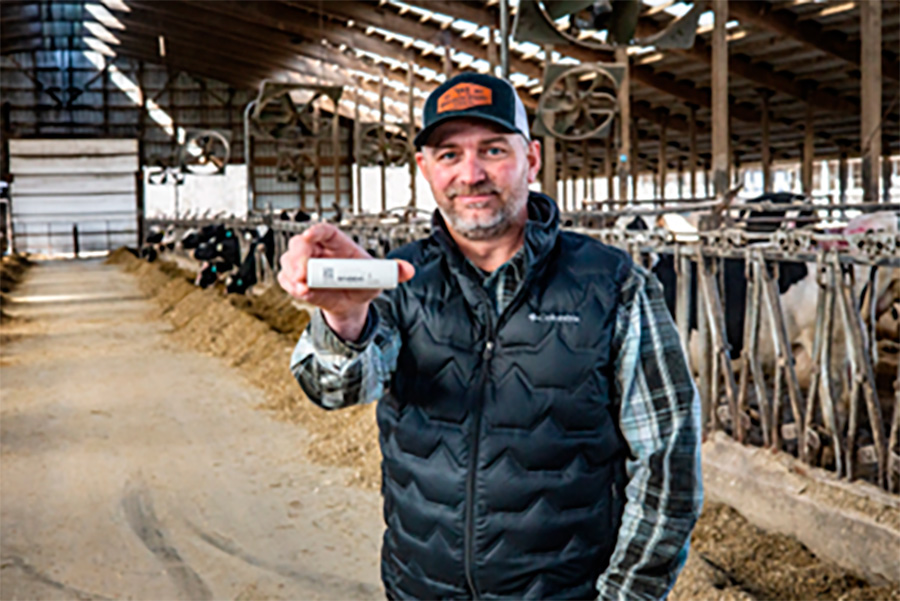
When bird flu (highly pathogenic avian influenza, H5N1) hit a 500-cow dairy in Michigan, the consequences were severe. Milk loss was drastic, cows took months to recover and financial losses climbed into the tens of thousands of dollars. A new study published in the Journal of Dairy Science reveals that early detection with smaXtec boluses can significantly reduce the health and economic impact of such outbreaks.
The research, led by Michigan State University (MSU), found that smaXtec boluses triggered fever alerts up to one week before the cows showed any visible symptoms of bird flu. This early detection gives dairy producers time to provide supportive care and reduce health risks significantly.
“Continuous internal monitoring is essential for smarter, more proactive herd health and biosecurity management.”
Dr. Louisa Koch, Feeding and pH Specialist at smaXtec
Detecting illness before symptoms appear – up to one week in advance
The smaXtec bolus sits in the cow’s reticulum and continuously measures internal body temperature with an accuracy of 0.018 °F. The alerts were triggered well before clinical symptoms of HPAI were visible, giving the farm a head start in fighting the outbreak. Earlier intervention means faster action and decision-making to potentially minimize production losses and improve herd health management during outbreaks.
The study validated this impact:
Economic impact: Potential losses reduced with early detection
Delayed detection proved costly. Affected cows produced 2,235 pounds less milk, decreased dry matter intake and averaged 132 days to fully recover. The average loss per cow was $504, adding up to over $79,000 in potential losses for a 500-cow farm. By detecting the illness earlier, smaXtec’s bolus technology allows for faster intervention, potentially reducing these financial setbacks and accelerating recovery, ultimately preserving the farm’s profitability.
smaXtec – The gold standard in health management
Apart from internal body temperature, smaXtec’s unique features include recording water intake and drinking cycles, rumination and activity – measured directly from inside the cow. These parameters provide even more insights into herd health, helping dairy producers make informed decisions earlier and with more confidence.
“The sooner you know, the better you can respond. That’s the simple truth this study confirmed and smaXtec technology is making it possible.”
Dr. Louisa Koch, Feeding and pH Specialist at smaXtec
The bottom line
This study reinforced these crucial points for dairy producers:
It’s clear the HPAI H5N1 outbreak poses a significant threat to dairy farm sustainability, with immediate and lasting effects on productivity and profitability. Proactive measures, including enhanced biosecurity and investment in health management technologies, are essential to safeguard herd health and economic stability.
More information: smaxtec.com