- English

We discussed in a previous In the Lab blog how ActivatedAir increases a seed’s water absorption rate. This is the essence of how plasma seed priming enables crops to get off to a faster start, resulting in greater yields and higher profits.
But we didn’t explain how ActivatedAir does this, which is the topic of this blog.
It’s all about the reactive oxygen and nitrogen species (RONS) presented in ActivatedAir seed priming interacting with the seed coat, making it more hydrophilic.
Seed coats are composed of cutin, a biopolymer consisting mainly of long hydrocarbon chains. Naturally, long hydrocarbon chains are hydrophobic due to their inert properties, much like oil.
Additionally, some seeds have superficial waxy layers that protect them from desiccation, providing an extra hydrophobic barrier.
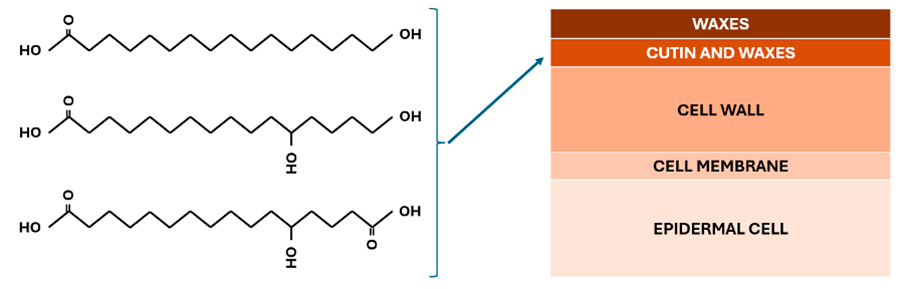
Fig. 1: The chemical structure of cutin.
ActivatedAir reduces the carbon content of the seed coat and, conversely, increases the oxygen and nitrogen content. In doing so, the seed coat is etched and eroded – a form of micro-landscaping.
With the alteration of the chemical composition of the seed coat, it develops a roughness, thereby increasing the surface area-to-volume ratio.
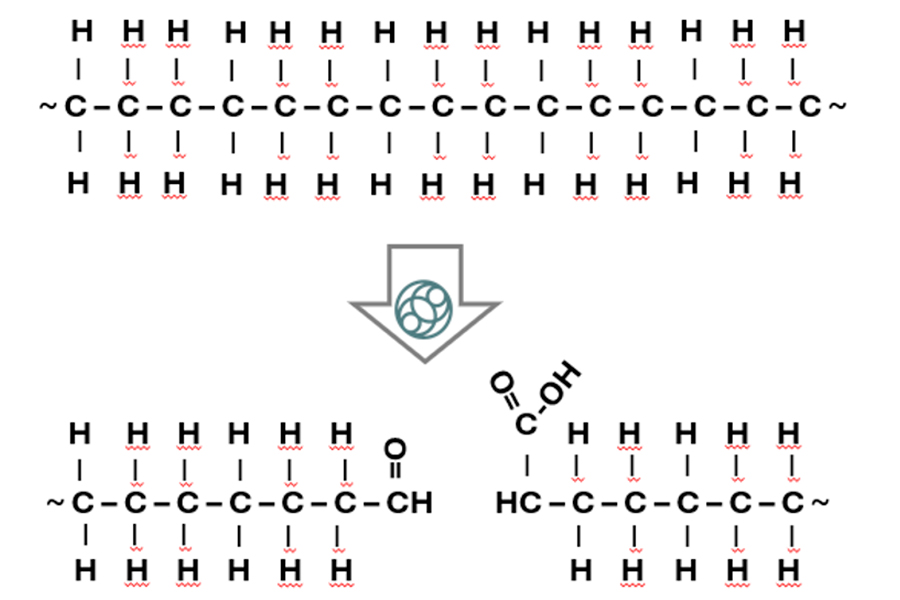
Fig. 2: How RONS in ActivatedAir break up cutin on the seed’s surface
So, what does this mean?
In terms of water absorption, these effects result in a greater surface area to absorb water and a more permeable barrier, which kickstart the germination period.
R-groups, such as carboxyl groups, are incorporated into the seed coat due to ActivatedAir treatment. In addition to the physical effects, the chemistry of the seed coat is modified as a result of this.
Carboxyl groups are polar, exhibiting slight charge imbalances. Since water is also polar, the minor charges on both the seed coat and water molecules facilitate a chemical attraction, rendering the seed more hydrophilic. Consequently, it is easier for water to adhere to the seed’s surface.
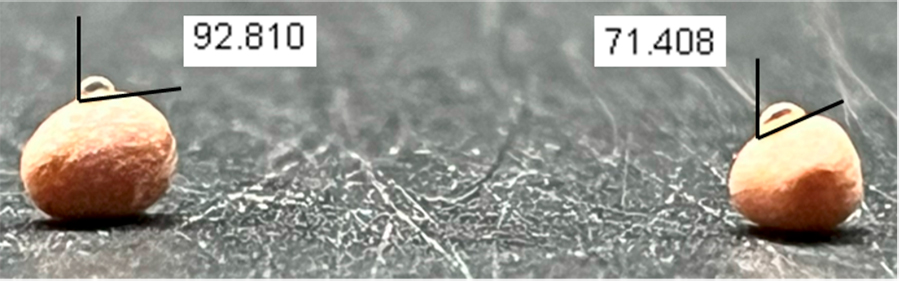
Fig. 3: Water droplets adhering to the surface of ActivatedAir-treated and untreated pea seeds
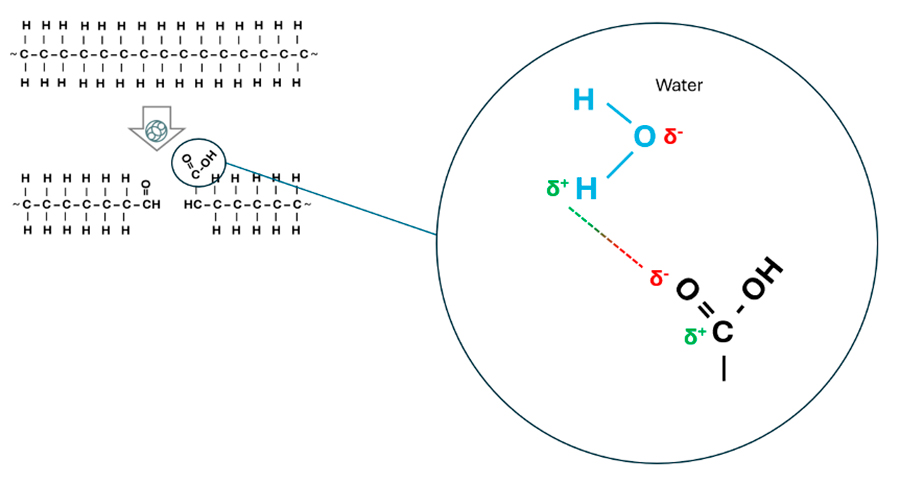
Fig. 4: How ActivatedAir makes seed coats more hydrophilic
The key to ActivatedAir’s usability for growers is that it is a dry process. That means you can increase the seeds’ water absorption without getting wet in the process. This differs from most other traditional seed priming methods.
A dry priming process has two significant advantages:
Altogether, ActivatedAir treatment enables the seed to become more hydrophilic and wettable. Water can be absorbed more quickly during imbibition, and germination can commence at a faster rate, ultimately leading to reduced crop cycle times and increased crop cycles per year, which in turn increases a grower’s profitability.
What’s the impact of this for our customers? Ask 80 Acres, who earlier in the year shared their experiences with ActivatedAir.
Visit our website to read more about the science behind our cold plasma seed priming, as well as to view the types of results customers are getting on a daily basis.
If you want to try it for yourself, sign up for our free trial programme to watch your crops grow faster and stronger. Get more with ActivatedAir.