- English

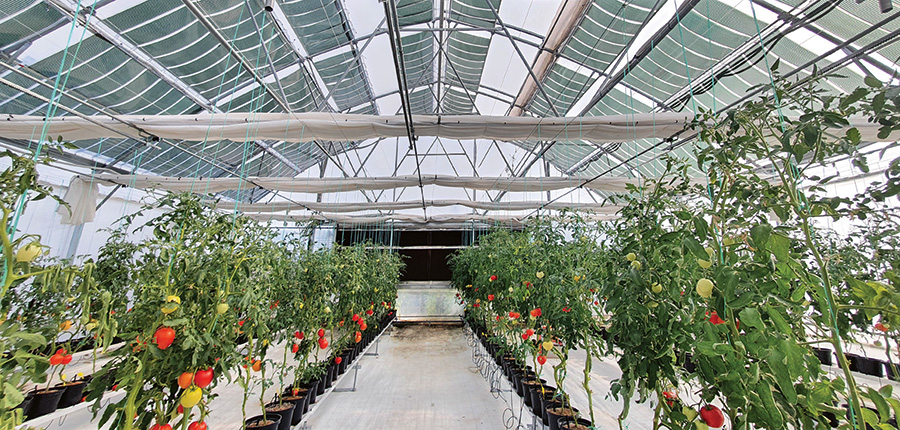
At the core of this innovation is OET’s advanced OPV technology. Engineered to be semitransparent, lightweight, flexible and up to 99% recyclable, this system can be succesfully integrated into all types of greenhouses and open-field cultivations. OPVs offer transparency of up to 40%, while allowing for light transmission of up to 100% through a dynamic tilting system.
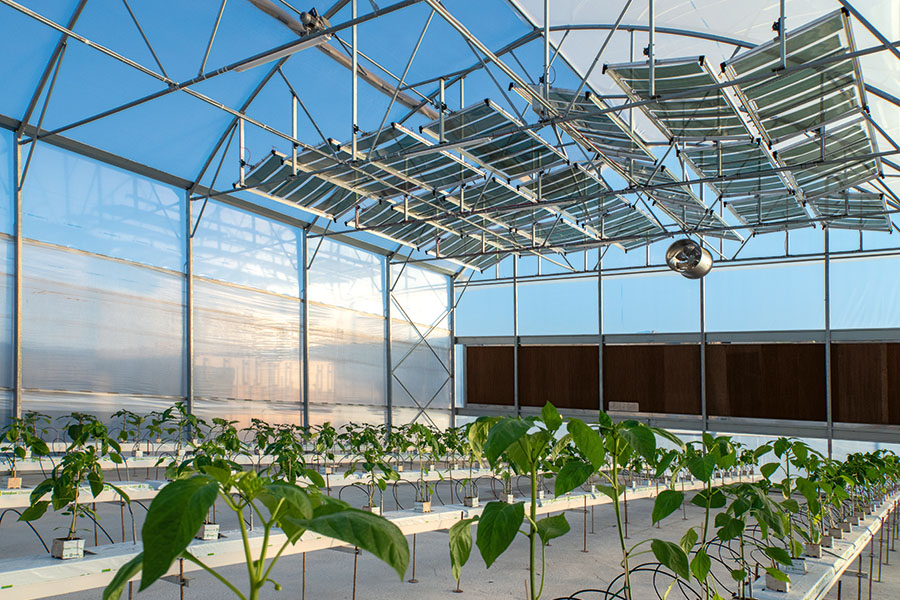
The impact is transformative. Farmers can achieve yield increases of up to 40%, thanks to optimized light conditions and an improved microclimate that can actively reduce temperatures during summer months by up to 9ºC at peak hours, while also filtering harmful UV radiation and preventing fruit sunscald. At the same time, OPVs reduce water consumption in greenhouses by as much as 30% by minimizing evapotranspiration, supporting sustainable agriculture. In this way, the system reduces cooling, irrigation and energy costs while enhancing energy efficiency in both on-grid and off-grid regions.
The economic benefits are equally compelling. OET’s solutions offer easy and low-cost installation, as well as a fast return on investment. Producers not only lower their operational expenses but also generate additional revenue through higher yields.
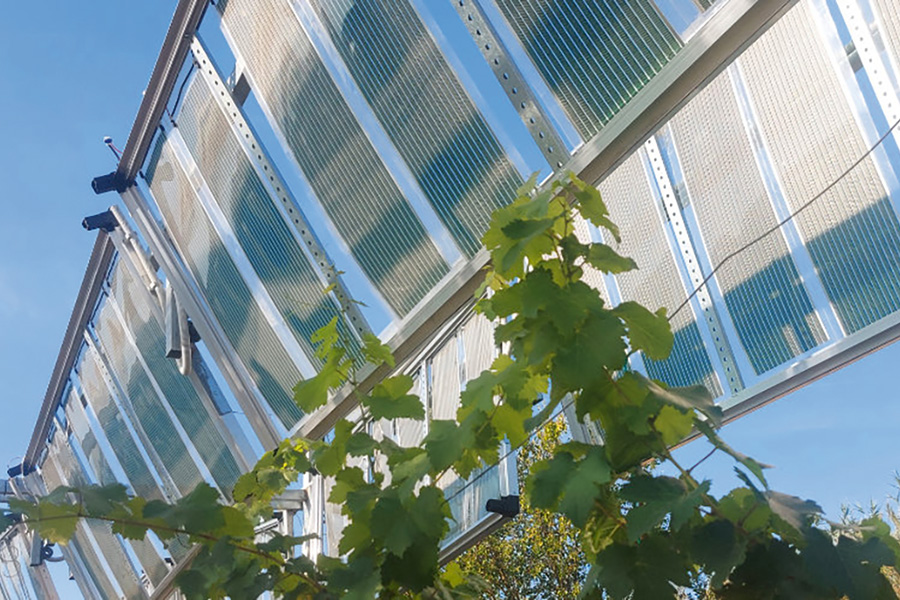
OET’s Agri-PV Hub in Thessaloniki, Grece demonstrates this integrated approach in action, featuring OPV-enhanced greenhouses and a vineyard. It is a powerful model for the future – one in which enhanced crop productivity, sustainability, and profitability grow side by side. OET’s OPVs are not just powering agriculture; they are redifining what land can do.